Distressed Flag Thin Pink Line: A Design of Purpose
When you see a design that immediately evokes a feeling, a cause, or a story, you know you’ve found something special. The Distressed Flag Thin Pink Line design is one of those powerful visual symbols. It’s more than just a graphic; it’s a statement of solidarity, hope, and unwavering support for those affected by breast cancer. For designers, entrepreneurs, and creators, incorporating this imagery into a project isn’t just an aesthetic choice—it’s a way to connect with an audience on a deeply meaningful level, especially during October and beyond.
The Visual Language of Solidarity and Strength
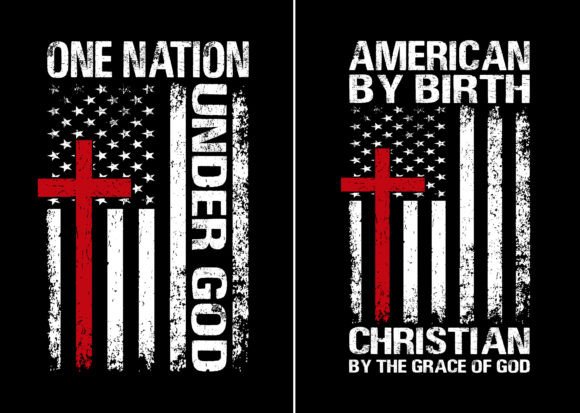
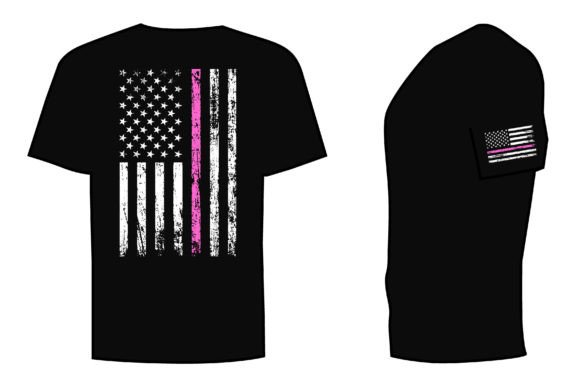
At its core, this design masterfully blends two potent symbols. The American flag, often rendered in a distressed texture, speaks to resilience, national pride, and a shared foundation. Overlaid upon it, the thin pink line cuts through with clarity and purpose. Pink, universally associated with breast cancer awareness, transforms the flag into a banner for a specific, vital cause. The “thin line” concept itself borrows from a tradition of honoring first responders, here repurposed to honor survivors, patients, and the medical professionals fighting the disease. The distressed finish adds a layer of authenticity and grit, suggesting a battle that is tough but not without hope. This combination creates a visual that is instantly recognizable, emotionally resonant, and incredibly versatile for various design applications.
Practical Applications Across Creative Projects
So, where does a design with this much narrative weight fit into your work? Its applications are broad, making it a valuable asset in any creative toolkit. For small business owners and entrepreneurs, it’s a powerful way to show corporate social responsibility. Think about branding for a local charity run, packaging for a product donating a portion of its proceeds, or a social media campaign graphic that stands out in a crowded feed. The design carries inherent meaning, which can significantly boost audience engagement when used authentically.
- Merchandise and Apparel: This is a natural home for the design. T-shirts, hats, and tote bags featuring the Distressed Flag Thin Pink Line become wearable statements. They are perfect for fundraising events, team uniforms for awareness walks, or as part of a merchandise line where a portion of sales supports breast cancer research or patient support services.
- Digital Presence: Incorporate the design into your website’s hero banner during October, use it as a profile picture frame for social media, or create cohesive blog post graphics. It immediately signals your site’s or your brand’s alignment with the cause, building trust with visitors who share that value.
- Print and Editorial: For marketers and bloggers, the design works beautifully in print materials like posters, flyers, and newsletter headers. An editorial layout for a magazine or online publication covering health, community stories, or inspirational content can use this imagery to anchor the theme visually and emotionally.
- Logo and Brand Identity: While it may be too specific for a primary logo for most businesses, it can be an excellent sub-brand or campaign-specific mark. A healthcare clinic, a support group, or an awareness organization could integrate elements of this design into their visual identity for specific initiatives, creating a strong, focused brand recognition tool.
Matching Typography to the Message
Choosing the right accompanying typography is crucial to ensure the design’s message is communicated effectively. The distressed flag element has a rugged, textured quality, while the pink line is clean and precise. Your font choices should complement this duality.
For headlines or impactful text, consider a bold sans serif font with a modern, clean feel. This provides excellent readability and a professional presentation that doesn’t compete with the detailed design. A slightly condensed sans serif can add a sense of urgency and importance, fitting for a campaign. Alternatively, a strong serif font with a bit of weight can lend a more traditional, authoritative tone, connecting to the heritage of the flag imagery.
Avoid overly ornate script fonts or handwritten fonts for main text, as they can reduce readability and clash with the design’s serious undertone. However, a subtle, elegant script could be used sparingly for a tagline like “Hope” or “Fight” to add a touch of personal inspiration. The key is font pairing: use a primary display font for impact and a secondary, simpler font for body copy to maintain visual consistency and ensure your message is clear.
Ensuring Your Design Makes an Impact
Simply placing the graphic isn’t enough. To maximize its effect, integrate it thoughtfully into your overall design assets. Ensure there is enough contrast between the design and its background, especially if you’re using it on colored merchandise or complex web pages. Test how it looks in both large formats, like a poster, and small formats, like a social media icon.
Consider the context of your entire project. Is the tone hopeful and supportive, or is it a call to action for donations? The surrounding elements—color palette, additional imagery, and copy—should all align with that goal. For instance, pairing the design with soft, hopeful colors and supportive messaging creates a different feel than using it with stark, urgent language and high-contrast colors. This alignment is what builds a strong brand identity around the cause you’re supporting.
Finally, always be mindful of commercial licensing. If you are using a premium font or a specific graphic asset, ensure your license covers your intended use, whether it’s for digital products, printed merchandise, or client work. Respecting licensing not only keeps your projects legal but also supports the creators who develop these valuable design assets.
In the end, the power of the Distressed Flag Thin Pink Line design lies in its ability to tell a story at a glance. It’s a creative font and graphic combination that goes beyond mere decoration. By applying it with intention, matching it with thoughtful typography, and integrating it into a cohesive visual strategy, you can create work that not only looks professional but also carries a message of hope, resilience, and unwavering support. It’s a chance to use your skills as a designer, creator, or business owner to contribute to a conversation that matters, turning every project into a potential source of inspiration and awareness.